Together, We Can Drive Change
Every policy decision has the potential to improve lives. Debbie’s Dream Foundation works year-round to increase federal research funding, advance prevention and early detection efforts, and ensure the voices of patients, caregivers, clinicians, researchers, and advocates are heard by policymakers. Through collaboration, education, and advocacy, we are working to improve outcomes for everyone affected by stomach cancer.
Why Advocacy Matters
Advocacy is about turning lived experiences into meaningful action. Stomach cancer remains one of the deadliest cancers, yet it continues to receive disproportionately low research funding and limited public awareness. Patients and families often face delayed diagnoses, limited treatment options, and barriers to accessing care.
By working together, we can help shape policies that increase research investment, improve prevention and early detection efforts, expand education, and ultimately save lives.
Whether you share your story, contact your elected officials, attend Advocacy Day, or respond to an Action Alert, every action helps move progress forward.
How You Can Get Involved
There are many ways to become an advocate, regardless of where you live or how much time you have.
- Respond to Action Alerts – Receive timely opportunities to contact your elected officials on important stomach cancer policy issues. Click here for the latest action alert.
-
Join the Advocacy Network – Become part of DDF’s national advocacy community.
Members receive: Advocacy Action Alerts, legislative updates, Advocacy Day information, district meeting opportunities, educational webinars, and advocacy resources.
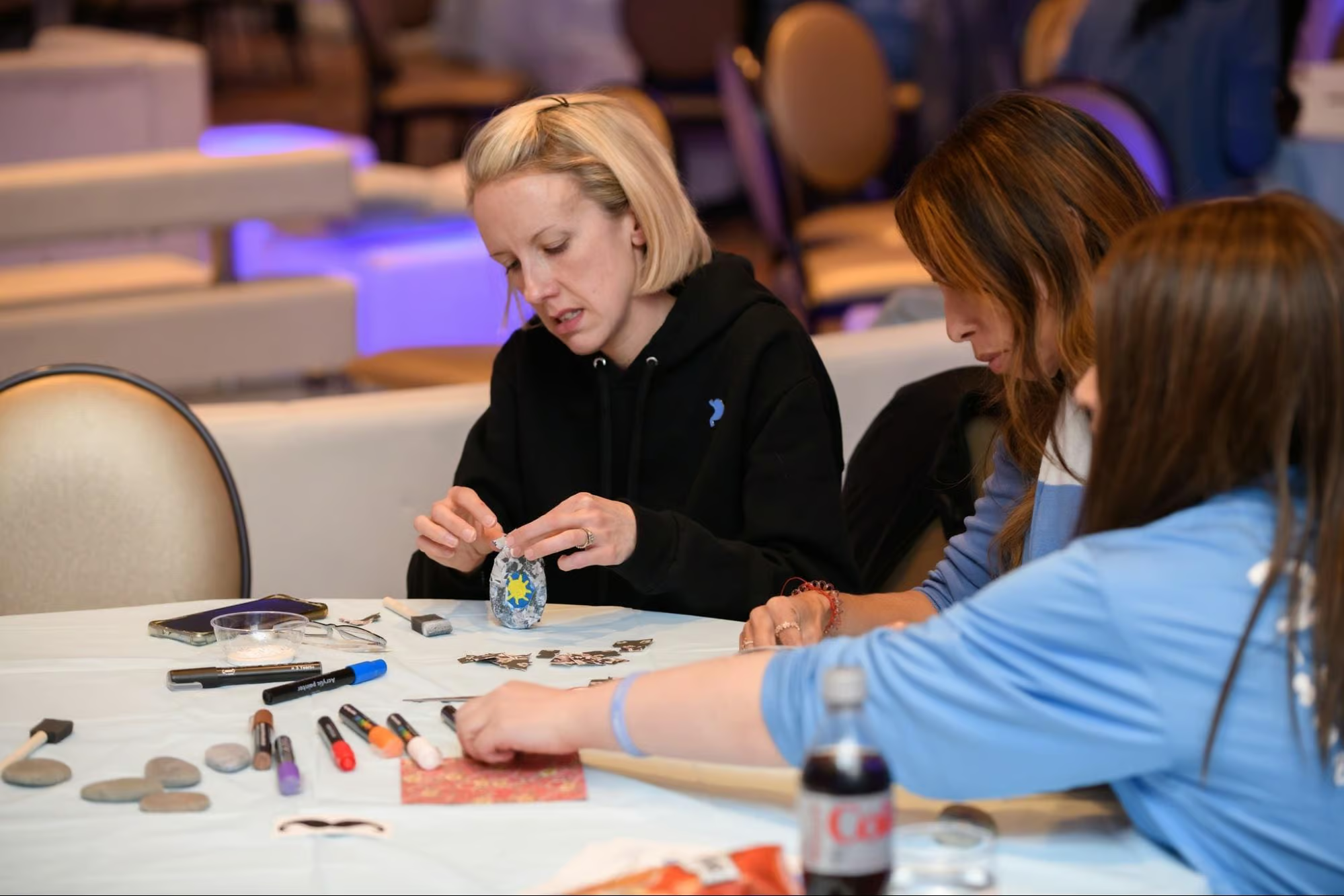
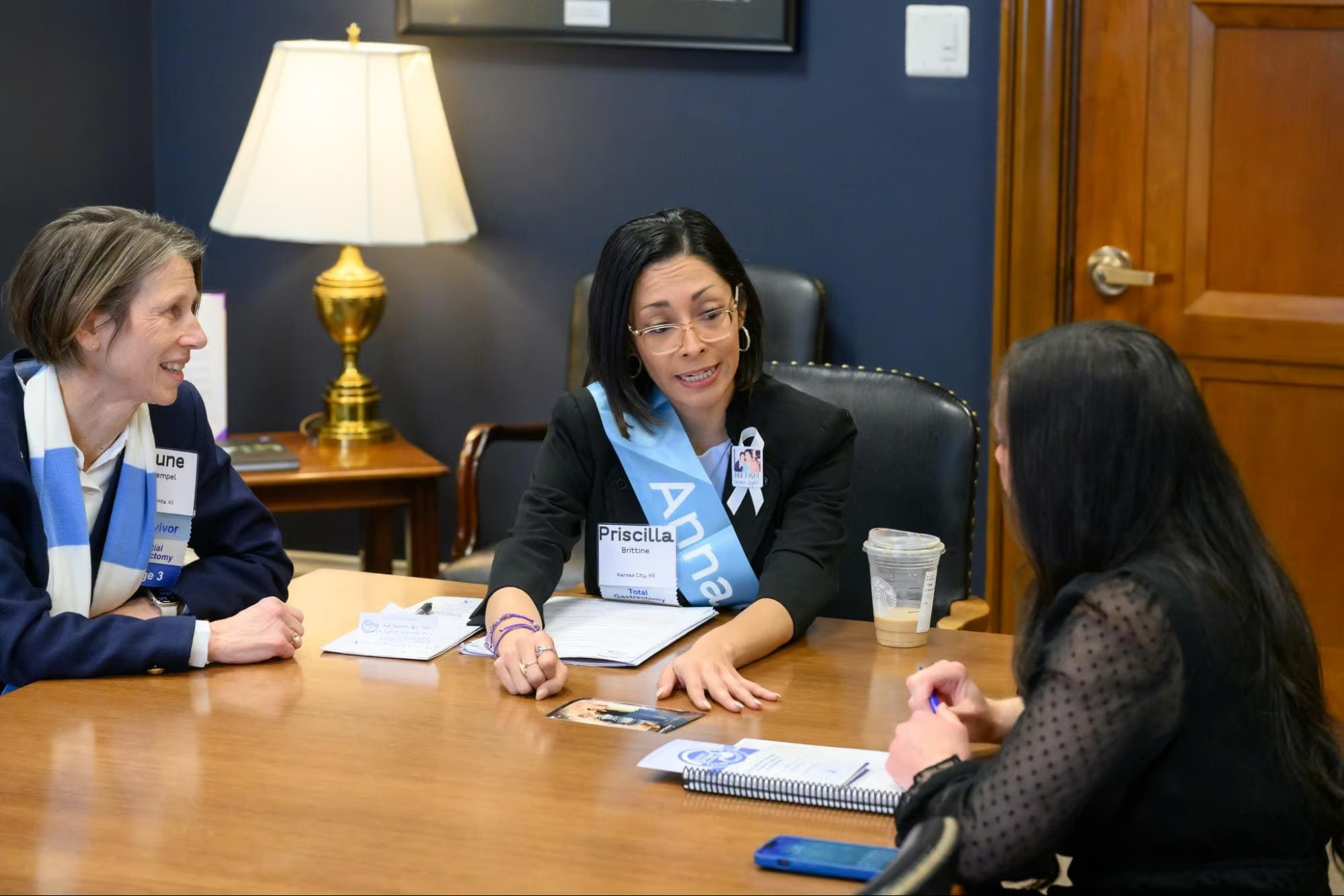
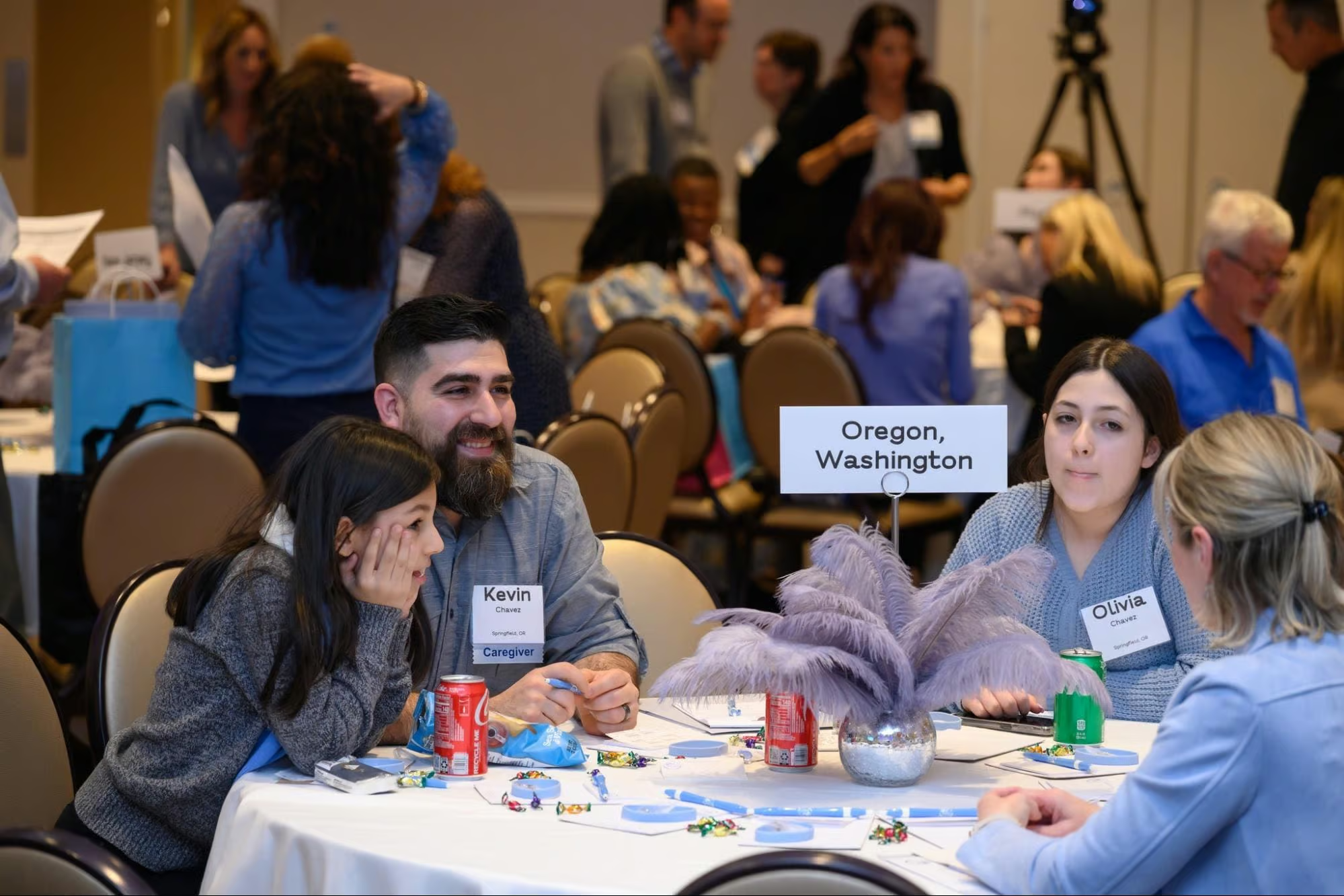
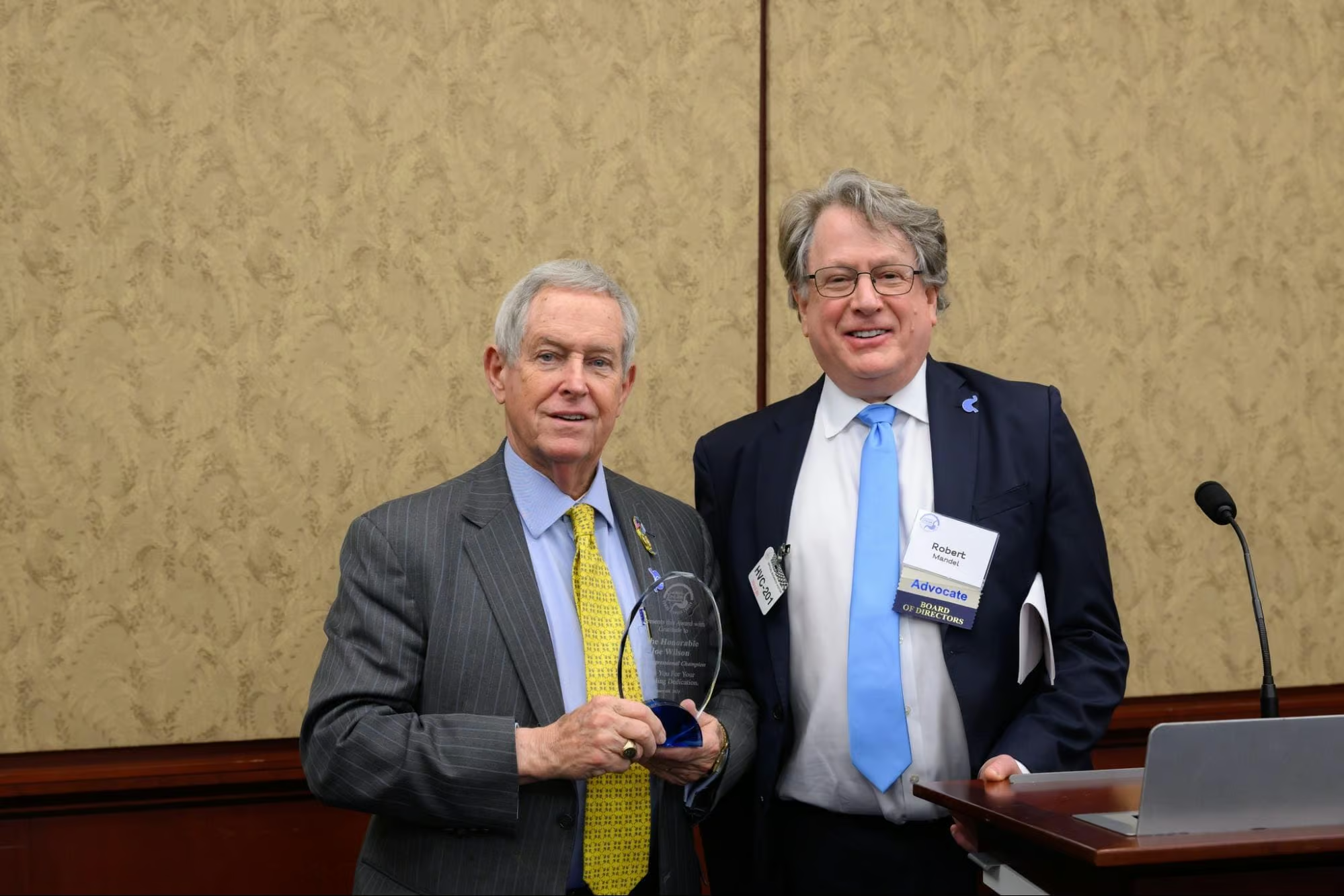
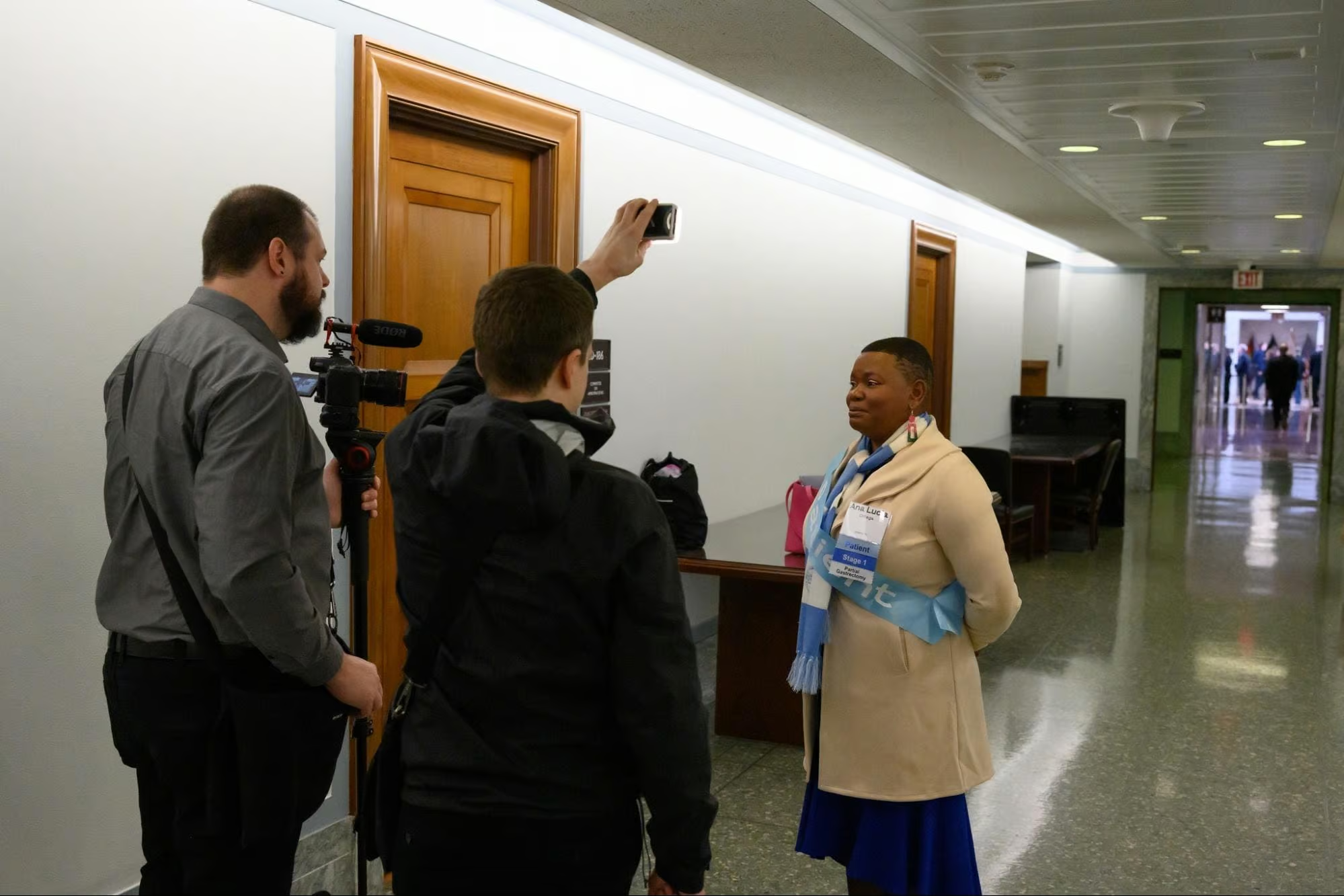
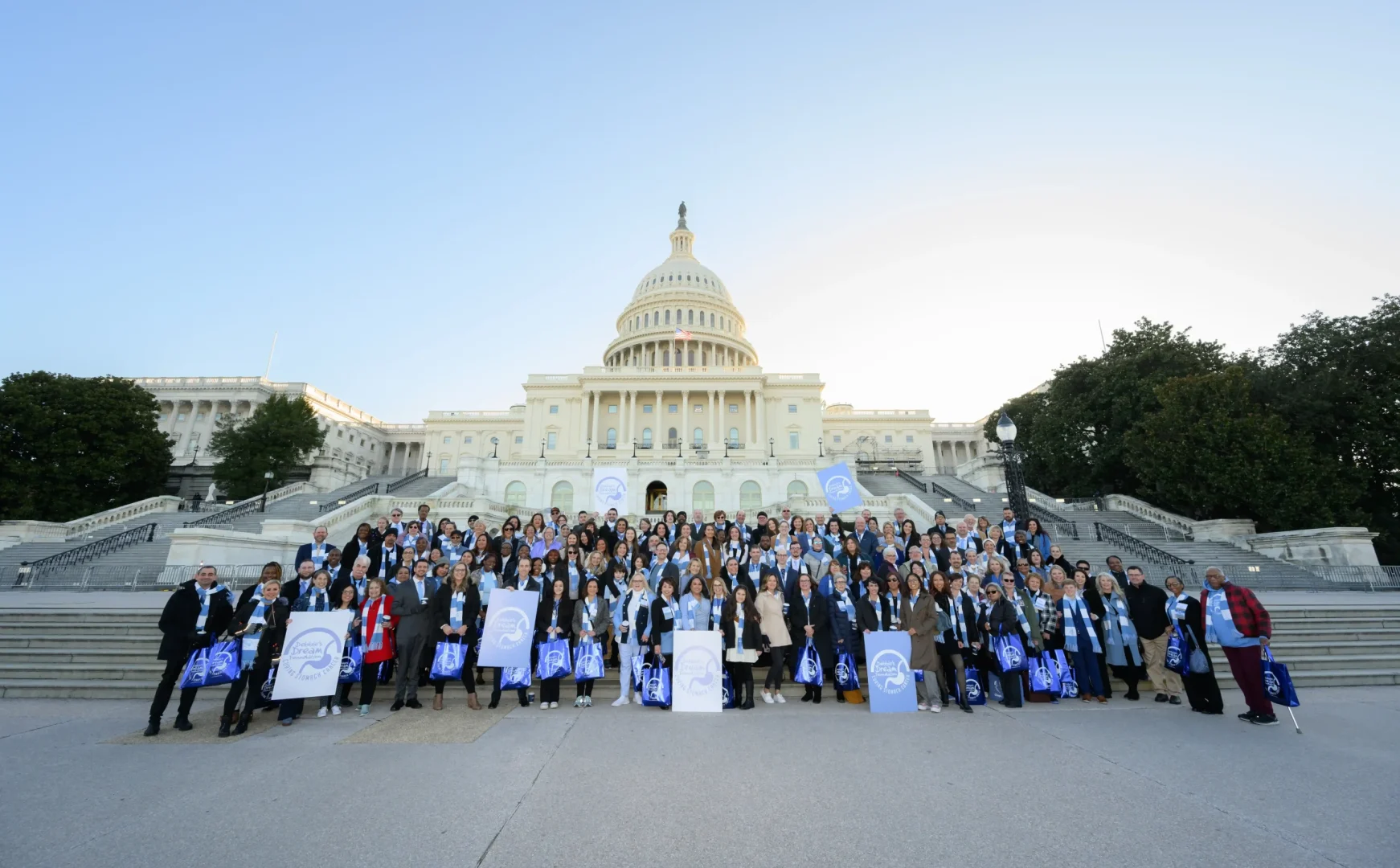
- Attend Advocacy Day – Each year, advocates from across the country come together in Washington, D.C., to meet with Members of Congress and share why stomach cancer research, awareness, and patient support matter. Whether you’re a first-time advocate or an experienced volunteer, DDF provides the training and resources you need to make your voice heard. Learn more.
- Share Your Story – Your Voice Can Make a Difference – Personal stories help educate policymakers, inspire researchers, strengthen advocacy efforts, and remind decision-makers that every policy represents real people and families. Whether you are a patient, survivor, caregiver, healthcare professional, or researcher, your experience can help advance awareness and improve outcomes. Stories may be featured on our website, advocacy materials, educational resources, and social media to help amplify the voices of the stomach cancer community.
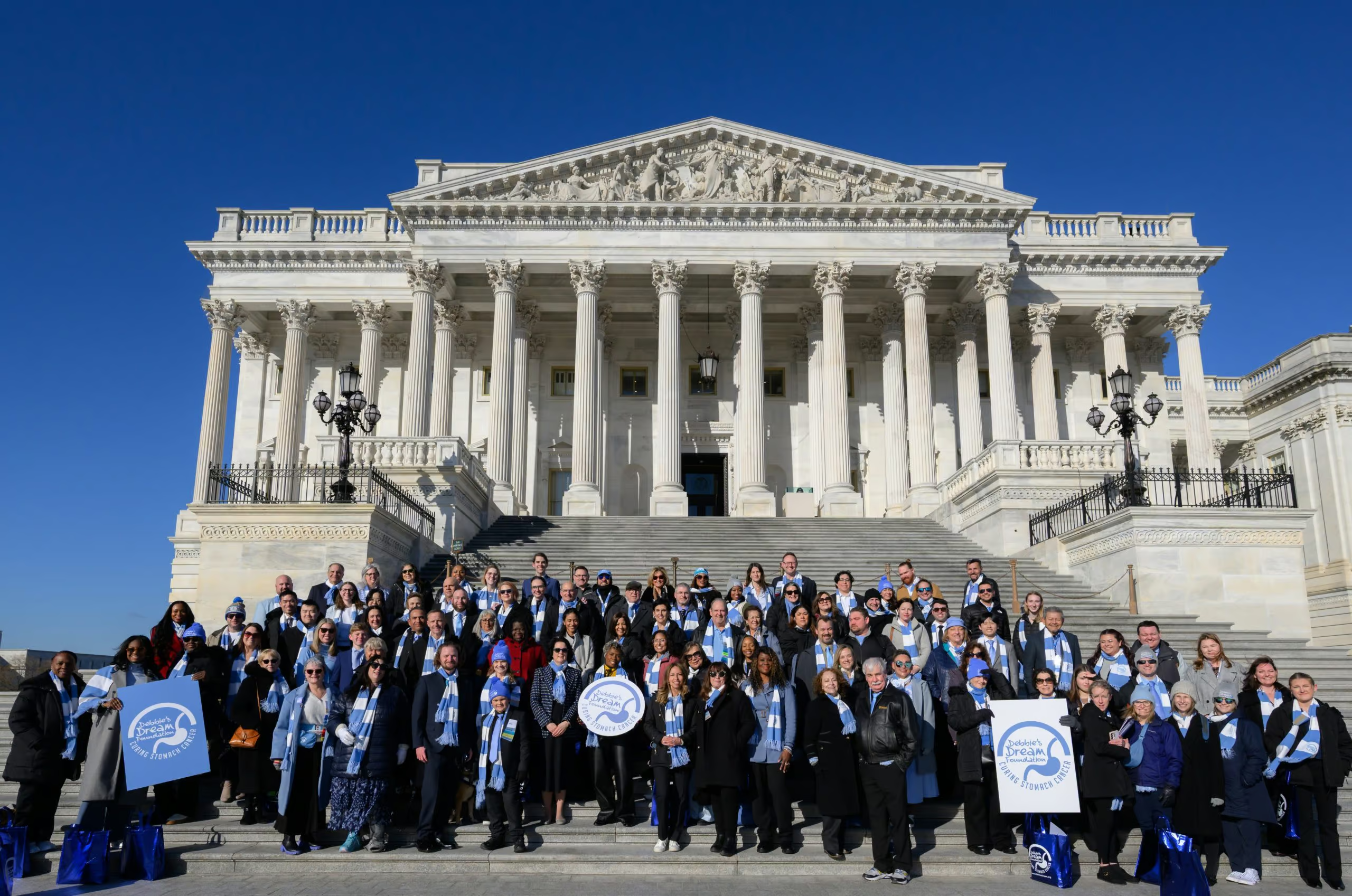
Advocacy Day Capitol Hill Photo 2026