

“What do I eat when I have cancer?”
Nutrition can be one of the biggest questions for people facing stomach cancer—especially before, during, and after treatment or following a gastrectomy.
Debbie’s Dream Foundation connects patients and caregivers with trusted nutrition information, expert guidance, practical tips, cooking demonstrations, and recipes designed to help navigate changing nutritional needs throughout the stomach cancer journey.
Explore the resources below to find practical support for eating well, managing nutrition-related challenges, and having informed conversations with your healthcare team.
Good nutrition is an important part of supporting your body during and after cancer treatment. Getting enough calories, protein, fluids, vitamins, and minerals can help maintain strength and energy, support healing and recovery, and reduce the risk of malnutrition. Nutrition needs can change throughout treatment, and what works for one person may not work for another.
For people with stomach cancer, eating enough can sometimes be challenging because of the cancer itself, treatment side effects, or changes following surgery. A registered dietitian, particularly one experienced in oncology, can work with you and your healthcare team to develop an approach based on your individual needs.
Protein
Protein helps the body maintain and repair tissues and preserve muscle. People undergoing cancer treatment may need more protein than usual, particularly during recovery from surgery, chemotherapy, or radiation therapy.
Sources of protein can include fish, poultry, eggs, dairy products, beans, lentils, soy foods, nuts and nut butters. Your healthcare team or registered dietitian can help determine how much protein is appropriate for you.
Learn more about adding protein during cancer treatment from the National Cancer Institute
Fats
Fat provides energy and helps the body absorb certain vitamins. Foods containing fat can also provide valuable calories when maintaining weight or eating enough is difficult.
Different types of dietary fats have different effects on health. In general, sources of unsaturated fats include foods such as nuts, seeds, avocados, fish, and certain plant oils.
During cancer treatment, however, getting adequate nutrition may sometimes take priority over following general dietary rules. Your individual needs, tolerance, treatment, and digestive function should guide food choices.
Carbohydrates
Carbohydrates are an important source of energy for the body. They are found in many foods, including fruits, vegetables, grains, beans, dairy products, and foods containing sugars.
Rather than labeling carbohydrates as “good” or “bad,” focus on foods that help you meet your nutritional needs and that you can comfortably tolerate. During treatment, certain side effects or changes to digestion may affect which foods work best for you.
Learn more about nutrition during cancer treatment from the National Cancer Institute.
Fluids & Hydration
Staying hydrated is important, particularly if treatment causes vomiting, diarrhea, or difficulty eating and drinking. Water is one source of fluid, but other beverages and foods, including soups and other fluid-rich foods can also contribute to hydration.
Fluid needs vary from person to person and may change during treatment. Your healthcare team can help you determine how much fluid you need, particularly if you are experiencing symptoms that increase your risk of dehydration.
Learn more about fluids and hydration from the American Cancer Society.
Vitamins, Minerals & Supplements
Vitamins and minerals are essential for normal body function, and many can be obtained through food. However, cancer and its treatment can sometimes make it difficult to eat enough or meet specific nutritional needs.
Before starting vitamins, minerals, herbs, or other dietary supplements, talk with your healthcare team. Some supplements can interact with cancer treatments or medications, and taking high doses is not necessarily beneficial or safe.
Your doctor or registered dietitian may recommend supplements when appropriate based on your diet, treatment, symptoms, laboratory results, or individual nutritional needs.
Nutrition Is Personal
There is no single food or diet that is right for every person with stomach cancer—and no food, diet, vitamin, or supplement has been proven to cure cancer.
Your nutritional needs may change throughout diagnosis, treatment, surgery, recovery, and survivorship. If you are losing weight, struggling to eat or drink, experiencing digestive symptoms, or have questions about what foods are appropriate for you, talk with your healthcare team and ask whether a registered dietitian can help.
Learn more from:
National Cancer Institute — Nutrition During Cancer Treatment
American Cancer Society — Nutrition and Physical Activity During and After Cancer Treatment
Your nutritional needs may change throughout diagnosis, treatment, surgery, recovery, and survivorship. If you are losing weight, struggling to eat or drink, or experiencing digestive symptoms, talk with your healthcare team or a registered dietitian.
The next section provides practical strategies for managing common nutrition-related challenges that may occur during gastric cancer treatment.
Stomach cancer and its treatments can affect appetite, digestion, taste, bowel habits, and the ability to eat or drink comfortably. Side effects vary depending on the person and the type of treatment, and they may change throughout treatment.
Nutrition strategies can help manage some of these challenges and support adequate calorie, protein, and fluid intake. A registered dietitian—particularly one experienced in oncology nutrition—can help develop recommendations based on your treatment, symptoms, weight changes, and individual nutritional needs.
If eating or drinking becomes difficult, you are losing weight without trying, or symptoms are persistent or severe, let your healthcare team know. Early nutrition support can help address problems before they become more difficult to manage.
Managing Nutrition-Related Side Effects
Loss of Appetite & Feeling Full Quickly
Loss of appetite and early satiety—feeling full after eating only a small amount— can occur with stomach cancer and its treatment. Gastrectomy can also contribute to early satiety.
Strategies that may help include:
- Eat smaller meals and snacks more frequently rather than relying on three large meals.
- Choose foods that provide more calories and protein when you are able to eat.
- Eat your largest meal when your appetite tends to be strongest.
- Keep easy-to-eat foods and snacks available for times when you feel hungry.
- If drinking with meals makes you feel full too quickly, try consuming more of your fluids between meals.
Tell your healthcare team if appetite loss persists or you begin losing weight without trying.
Nausea & Vomiting
Nausea and vomiting can occur with several cancer treatments, but medications can often help prevent or manage these symptoms. Nutrition strategies may provide additional support.
Depending on what you tolerate, it may help to eat smaller amounts at a time, choose foods that are easier on your stomach, and avoid foods or odors that make nausea worse. Cool or room-temperature foods may be easier to tolerate when food smells are bothersome.
Vomiting can lead to dehydration and loss of electrolytes. If you are vomiting repeatedly, cannot keep fluids down, or notice signs of dehydration, contact your healthcare team.
Don’t rely on food strategies alone to manage persistent nausea or vomiting. Your healthcare team can help determine whether medications or other treatment are needed.
Constipation
Cancer treatment, certain anti-nausea and pain medications, changes in food or fluid intake, and reduced physical activity can all contribute to constipation.
Drinking adequate fluids, staying physically active when appropriate, and consuming fiber-containing foods may help some people. However, increasing fiber isn’t appropriate for everyone, particularly if you have certain digestive complications or have been instructed to follow a modified diet.
Talk with your healthcare team before using laxatives, stool softeners, fiber supplements, or making significant changes to your diet to manage constipation.
Diarrhea
Diarrhea can result from cancer treatments and can lead to dehydration and electrolyte loss. What you eat and drink while experiencing diarrhea may need to temporarily differ from your usual diet.
Depending on your symptoms, your healthcare team or dietitian may recommend temporarily choosing foods that are easier to tolerate and adjusting foods that make diarrhea worse. Replacing lost fluids is particularly important.
Contact your healthcare team if diarrhea is severe or persistent, or if you are having difficulty staying hydrated. Your treatment team should also know about new or worsening diarrhea because nutrition changes alone may not address its underlying cause.
Changes in Taste & Smell
Cancer and cancer treatment can change how foods taste or smell. Foods may taste bland, bitter, unusually sweet or salty, or metallic, and foods you previously enjoyed may become unappealing.
Experiment to find foods, temperatures, seasonings, and textures that work for you. If food smells are bothersome, cooler foods may be easier to tolerate. If foods have a metallic taste, using plastic utensils instead of metal may help.
Because taste changes vary considerably from person to person, focus on foods that are both tolerable and helpful in meeting your nutritional needs.
Fatigue & Eating
Cancer-related fatigue can make shopping, preparing meals, and eating more difficult. At the same time, eating too little can contribute to weakness and loss of strength.
When energy is limited, consider keeping convenient foods and snacks available, preparing food when you have more energy, or asking family and friends for help with meals. Nutritional drinks or other nutrition support may also be appropriate for some people; ask your healthcare team or registered dietitian what is right for you.
Staying Hydrated
Cancer and cancer treatment can increase the risk of dehydration, particularly when vomiting or diarrhea occurs or when side effects make it difficult to drink enough.
Water is not the only source of hydration. Other beverages and fluid-containing foods can also contribute to your intake. There isn’t one amount of fluid that’s appropriate for every patient, so ask your healthcare team about your individual needs, particularly following stomach surgery or when experiencing significant fluid losses.
Contact your healthcare team if you are unable to drink enough, cannot keep fluids down, or are concerned that you may be dehydrated.
Heartburn & Reflux
Heartburn or reflux may occur during treatment or following changes to the digestive system. Smaller meals and avoiding foods that trigger symptoms may help. Common triggers can differ from person to person, so pay attention to which foods or eating patterns affect you.
Persistent or worsening heartburn should be discussed with your healthcare team. Medications or other approaches may be appropriate depending on the cause of your symptoms.
Work With Your Healthcare Team
Nutrition-related side effects shouldn’t simply be something you have to “push through.” Tell your healthcare team when symptoms interfere with your ability to eat, drink, maintain your weight, or carry out your usual activities.
A registered dietitian can help translate your treatment plan and symptoms into practical nutrition strategies that work for you.
Trusted Nutrition Resources
For additional evidence-based information about managing eating and nutrition challenges during cancer treatment:
National Cancer Institute — Nutrition During Cancer Treatment
American Cancer Society — Eating Problems Caused by Cancer Treatments
Removing part or all of the stomach changes how the body stores, digests, and moves food through the digestive system. After a partial or total gastrectomy, you may feel full more quickly, tolerate smaller amounts of food at a time, or experience changes in digestion and nutrient absorption.
Eating after gastrectomy is a process of adjustment. Your needs may change as you recover, and foods that are difficult to tolerate soon after surgery may become easier to eat over time. Your surgical team and registered dietitian can provide guidance based on the type of surgery you had, your recovery, symptoms, weight, and nutritional needs.
Eating After Surgery
Eat Smaller Meals More Often
After a gastrectomy, eating smaller amounts more frequently is often easier than eating three large meals. Some people may initially tolerate only a few bites at a time, particularly following total gastrectomy.
Your healthcare team may recommend eating six or more small meals throughout the day or following a meal schedule to help you get enough calories and nutrients despite smaller portions.
As your body adjusts, the amount and frequency that work best for you may change.
Eat Slowly & Chew Thoroughly
Take your time when eating and chew food thoroughly before swallowing. Eating slowly can help you recognize fullness and may reduce discomfort caused by eating too much at once.
Sitting upright while eating can also support comfortable digestion.
Make Protein a Priority
Because you may be eating smaller portions, making each bite count becomes especially important. Protein supports healing and helps maintain muscle and strength.
Try to include a source of protein with meals and snacks as tolerated. Examples include eggs, fish, poultry, dairy products, tofu, beans, and nut butters. Your registered dietitian can help identify foods that meet your needs and are comfortable for you to eat.
Consider Separating Food & Fluids
Drinking large amounts with meals can contribute to feeling full too quickly and may cause food to move through the digestive system more rapidly after gastrectomy.
Your healthcare team may recommend limiting fluids with meals and drinking most of your fluids between meals instead. Specific recommendations can vary, so follow the guidance provided by your surgical team or registered dietitian.
It’s still important to drink enough throughout the day to stay hydrated.
Food Tolerance Can Change
Soon after surgery, softer, well-cooked foods may be easier to tolerate than raw, tough, or chewy foods. As recovery progresses, foods can often be gradually reintroduced based on individual tolerance.
Rather than thinking of foods as permanently “allowed” or “not allowed,” pay attention to how your body responds. Some people develop temporary or longer-lasting difficulty tolerating certain foods, including foods high in sugar or fat or dairy products containing lactose.
A food and symptom diary can help you identify patterns. Record what you eat and drink, approximately how much, and any symptoms that occur afterward. This information can also be useful when working with your healthcare team or registered dietitian.
Understanding Dumping Syndrome
After a gastrectomy, food may move from the digestive tract into the small intestine more quickly than it did before surgery. This can lead to dumping syndrome.
Symptoms may occur soon after eating and can include abdominal cramping, nausea, diarrhea, dizziness, weakness, or a rapid heartbeat. Other symptoms—including weakness, hunger, shakiness, sweating, or feeling lightheaded—can occur later as blood sugar changes.
Foods and drinks high in added sugars can trigger dumping syndrome in some people. Eating smaller meals, including protein with meals, and adjusting when you drink fluids may help manage symptoms.
If you experience symptoms that may be related to dumping syndrome, talk with your healthcare team or registered dietitian. They can help determine the cause and develop an eating plan appropriate for you.
Vitamins & Minerals After Gastrectomy
This deserves its own subsection because nutrition after gastrectomy isn’t only about what you eat.
Removing part or all of the stomach can affect the body’s ability to absorb certain vitamins and minerals. People who have undergone a gastrectomy may require ongoing nutritional monitoring and supplementation.
Depending on the type of surgery and your individual needs, your healthcare team may monitor nutrients including vitamin B12, iron, folate, calcium, vitamin D, and others. Total gastrectomy can increase the risk of multiple micronutrient deficiencies.
Your healthcare team may recommend vitamin or mineral supplements based on your surgery, diet, laboratory results, and individual needs. Do not assume that a standard multivitamin provides everything you need after gastrectomy.
Work with your healthcare team to understand:
- which vitamins and minerals should be monitored;
- how often bloodwork may be needed;
- whether supplements are recommended; and
- what form or dose is appropriate for you.
Maintaining Weight & Meeting Your Nutritional Needs
Weight loss can occur after a gastrectomy because you are able to eat less at one time, and your body may digest or absorb nutrients differently.
Small, frequent meals and foods that provide adequate calories and protein can help. Nutritional supplements or shakes may also be appropriate for some people, particularly when meeting nutritional needs through food alone is difficult.
Tell your healthcare team if you are losing weight unintentionally, struggling to eat enough, or experiencing persistent diarrhea, vomiting, difficulty swallowing, dehydration, or other symptoms that interfere with eating or drinking.
Finding What Works for You
Adjusting to eating after gastrectomy takes time. Some people can eventually tolerate a wide variety of foods, while others continue to find that certain foods or eating patterns work better than others.
A registered dietitian experienced in oncology or gastrointestinal surgery can help you develop a nutrition plan, identify strategies for managing symptoms, monitor your nutritional status, and adjust recommendations as your needs change.
Trusted Resources
For additional information about eating and nutrition following gastrectomy:
National Cancer Institute — Diet and Nutrition After Gastrectomy
Memorial Sloan Kettering Cancer Center — Diet and Nutrition Before and After Your Gastrectomy
LIVE Cooking Demonstrations
Nutrition plays a critical role in every stage of the stomach cancer journey—from diagnosis through treatment, recovery, and survivorship. Debbie’s Dream Foundation offers innovative, patient-centered nutrition programs designed to provide practical guidance, expert insight, and real-life strategies to help individuals and caregivers navigate dietary challenges with confidence.
Through our Cooking Up Fresh! and Meals for the Stomach Cancer Patient programs, we bring together culinary experts, registered dietitians, and survivors to share nourishing recipes, adaptive cooking techniques, and tips tailored to the unique needs of the stomach cancer community. Whether you are managing side effects, adjusting after surgery, or seeking ways to maintain strength and quality of life, these programs offer accessible, empowering support every step of the way.
To watch our cooking demo video replays, click the buttons or scroll through the YouTube playlists linked below.
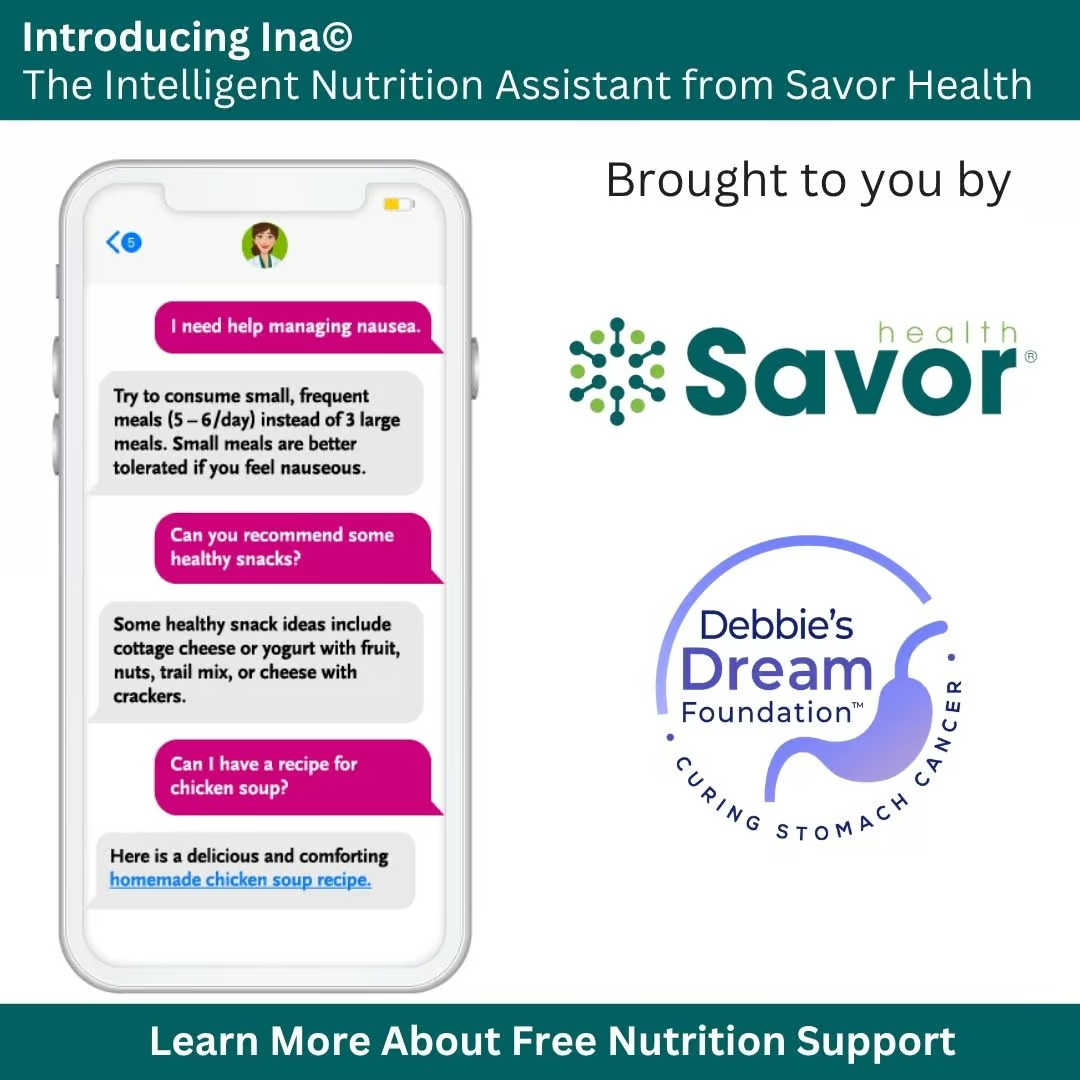
Get FREE Nutrition Support with Ina®: The Intelligent Nutrition Assistant from Savor Health
Debbie’s Dream Foundation is proud to present Ina®, the Intelligent Nutrition Assistant from Savor Health®, designed to support cancer patients with personalized nutrition and symptom management guidance, anytime, anywhere.
Available 24/7 via simple SMS text, Ina® delivers clinically informed, tailored recommendations to help patients stay on treatment, manage side effects, and maintain strength throughout the cancer journey.
What Ina® Offers
- Personalized Support On Demand
Have a question about nutrition or managing side effects? Simply text Ina® from your phone to receive real-time, personalized guidance, including nutrition tips, recipes, and symptom management strategies—no appointments required. - Expert-Driven Guidance
Ina® is powered by evidence-based insights from oncology-credentialed registered dietitians, nurses, and physicians who specialize in cancer care, ensuring that every response is both relevant and reliable. - Safe, Secure, and Free
Ina® provides unlimited access at no cost in a secure, privacy-protected platform—giving you peace of mind while accessing the support you need.